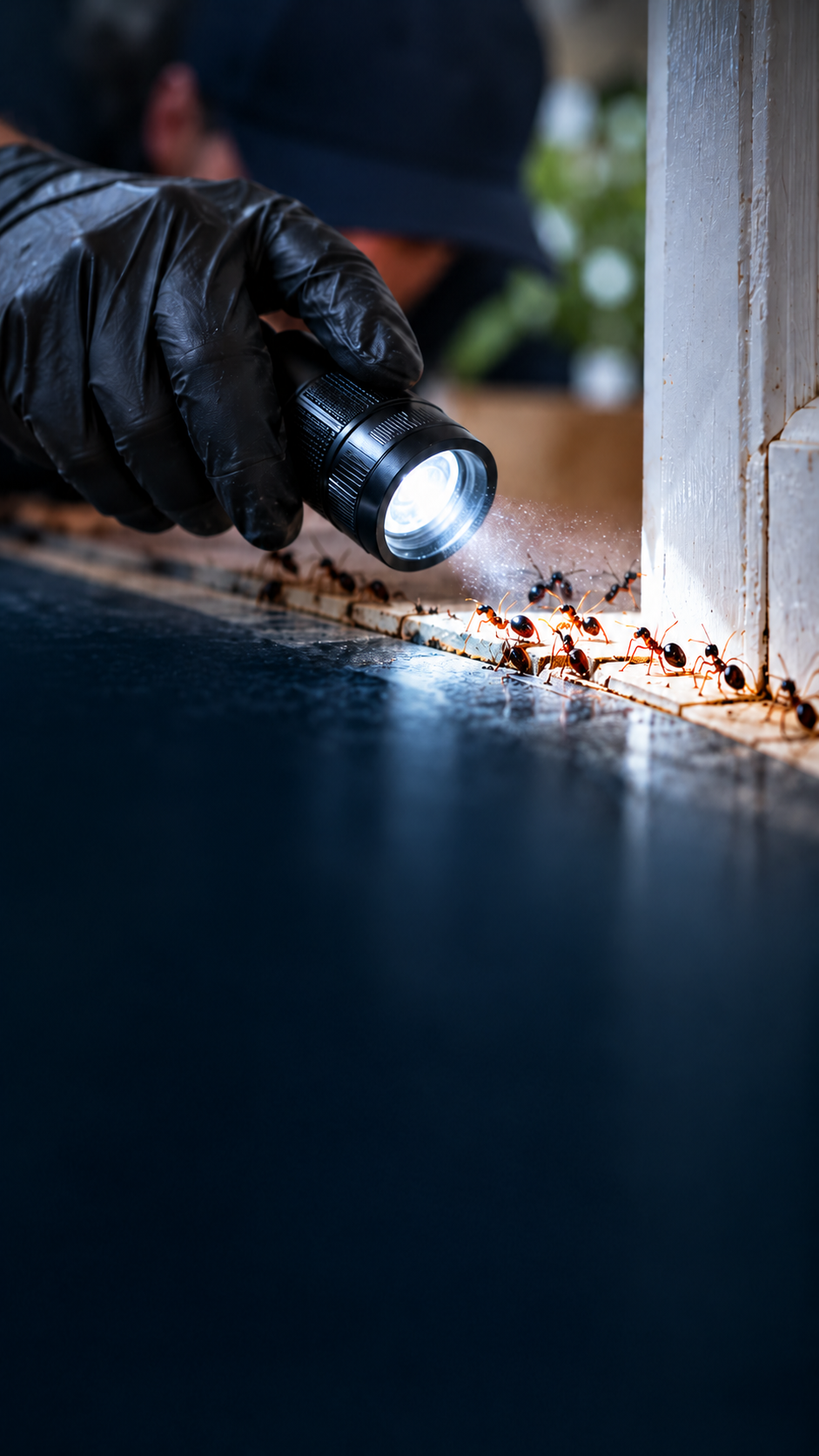
Technician inspecting ants along a window sill with a flashlight

Ant Control

Stop Ants
Before They
Take Over.

Not all ants are the same. We identify the species, find the source, and treat the colony so the problem gets handled at the root.
  • Species-Based
    Treatment
  • Targets
    the Colony
  • Prevention-
    Focused
Get a Free Estimate

Why Ant Problems
Keep Coming Back

  • Different ants need different treatment.

    Each species behaves differently, so a one-size-fits-all approach doesn’t work.

  • Killing the ants you see isn’t enough.

    There are usually many more ants in the nest that you don’t see.

  • Hidden nests can be inside walls, mulch, or around the foundation.

    Ants often nest out of sight, making them harder to eliminate.

Why Ant Problems Keep Coming Back

  • Different ants need different treatment.

    Each species behaves differently, so a one-size-fits-all approach doesn’t work.

  • Killing the ants you see isn’t enough.

    There are usually many more ants in the nest that you don’t see.

  • Hidden nests can be inside walls, mulch, or around the foundation.

    Ants often nest out of sight, making them harder to eliminate.

The One Message
That Matters

Effective ant control comes down to four steps: identify the ant, locate the nest, treat the colony, and fix what’s bringing them in.

Couple in a kitchen with ants on the counter

Treating the ants you see usually
isn’t enough.

The real problem is the colony behind them.

  • PHOTO 1

    Identify
    the Species

    We determine what type of ant you’re dealing with.

  • PHOTO 2

    Find
    the Nest

    We locate where they’re nesting, inside or out.

  • PHOTO 3

    Target
    the Colony

    We use the right treatment to eliminate the colony.

  • PHOTO 4

    Prevent
    Re-Entry

    We address what’s attracting them and help keep them out.

What We Look For

A thorough inspection helps us
find the full picture.

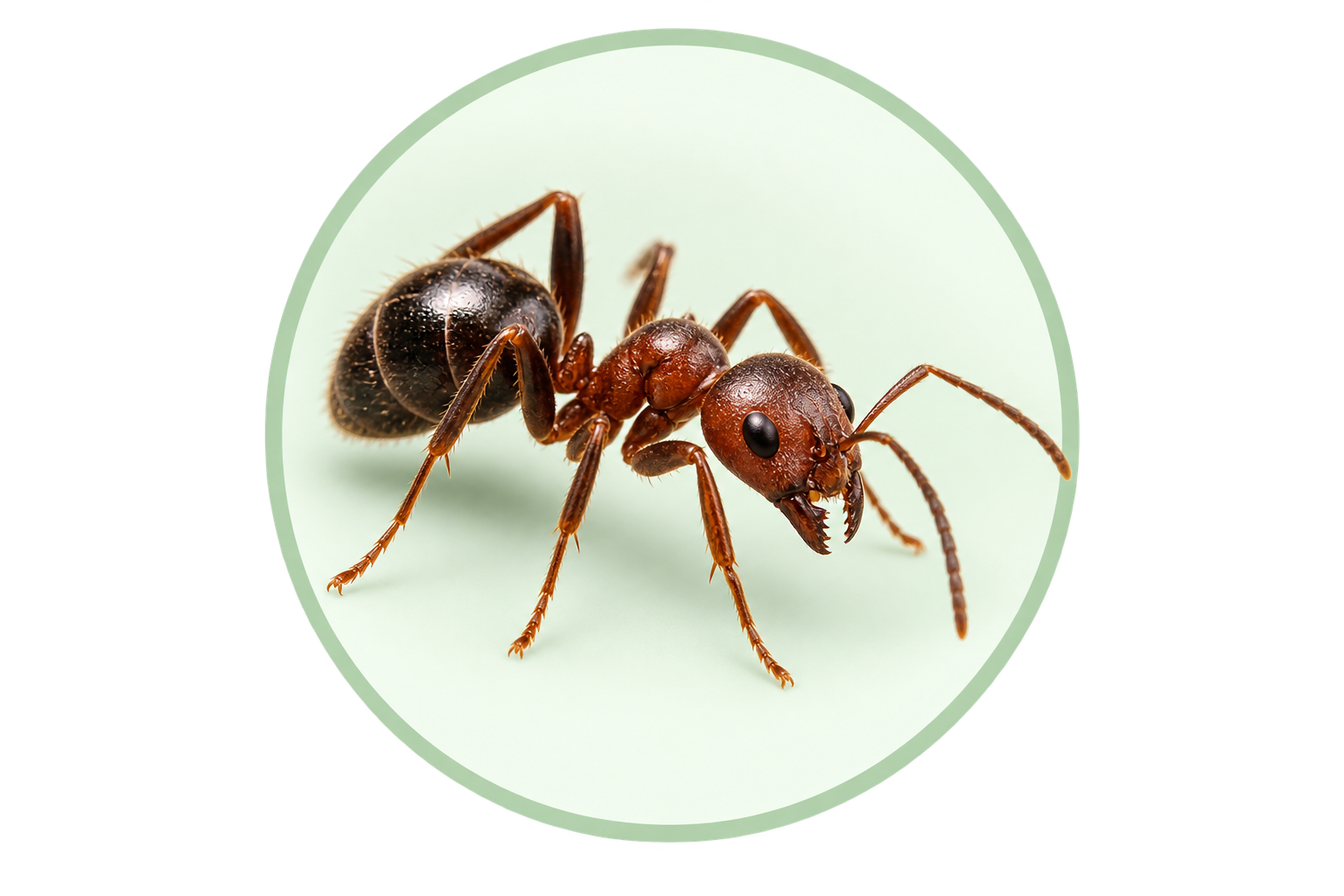
  1. Ant

    Species and behavior

    Identifying the type of ant and how they behave.

  2. Ant trail

    Ant trails and activity

    Where they’re traveling and how active they are.

  3. House entry point

    Entry points

    Cracks, gaps and other ways they’re getting inside.
  4. Water drop

    Food and moisture sources

    What’s attracting them to your property.

  5. Green leaf

    Nesting areas indoors and out

    Common nesting spots around your home or business.
Ant Control

Why DIY
Often
Falls Short

It’s easy to try a quick fix, but DIY ant treatments rarely solve the real problem.
  • Store-bought sprays usually hit the ants you see, not the colony behind them.
  • The wrong bait can be ignored—or make the problem drag on.

  • Some sprays can scatter ants and create new satellite colonies.
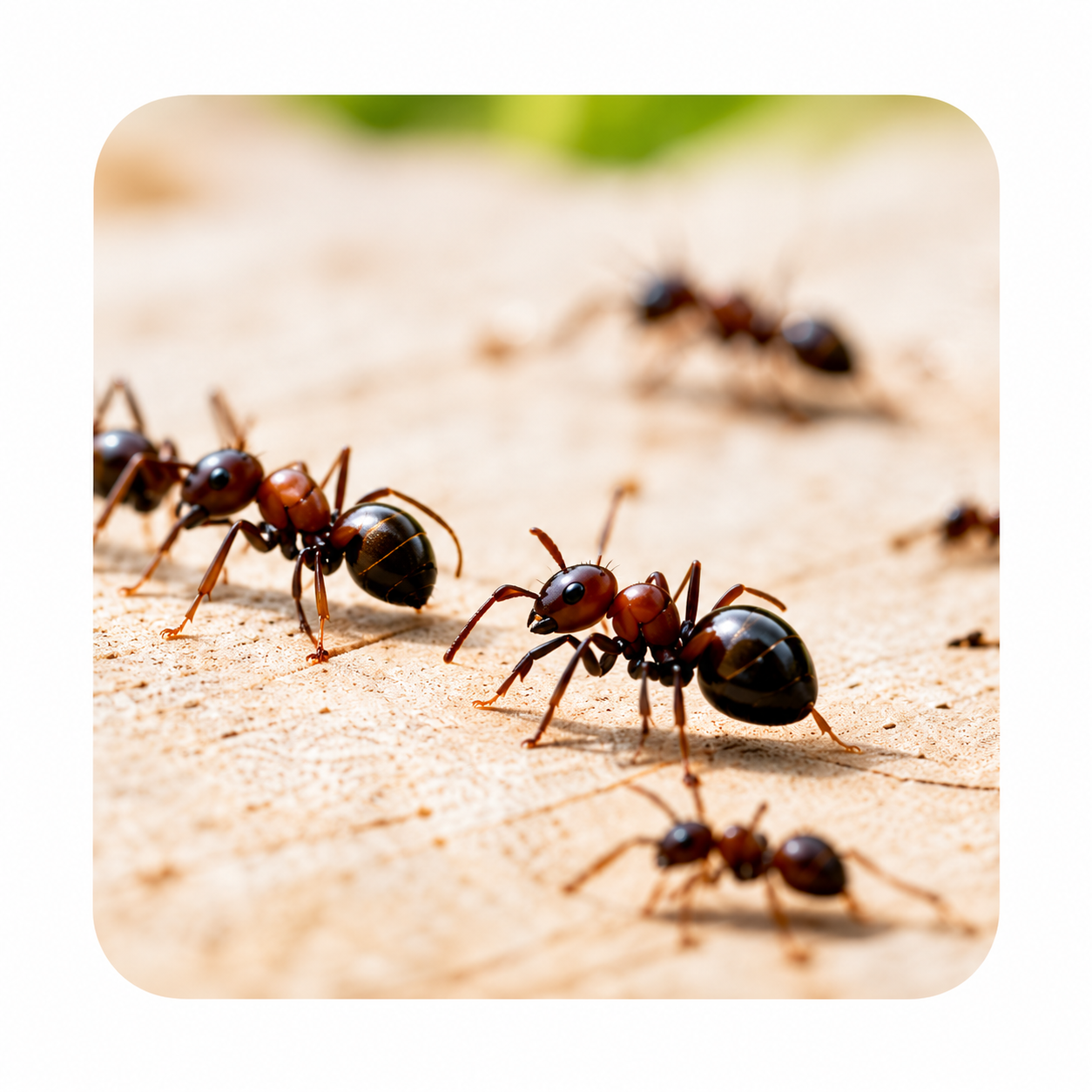
  • DIY often misses the nest and entry points, so ants keep coming back.
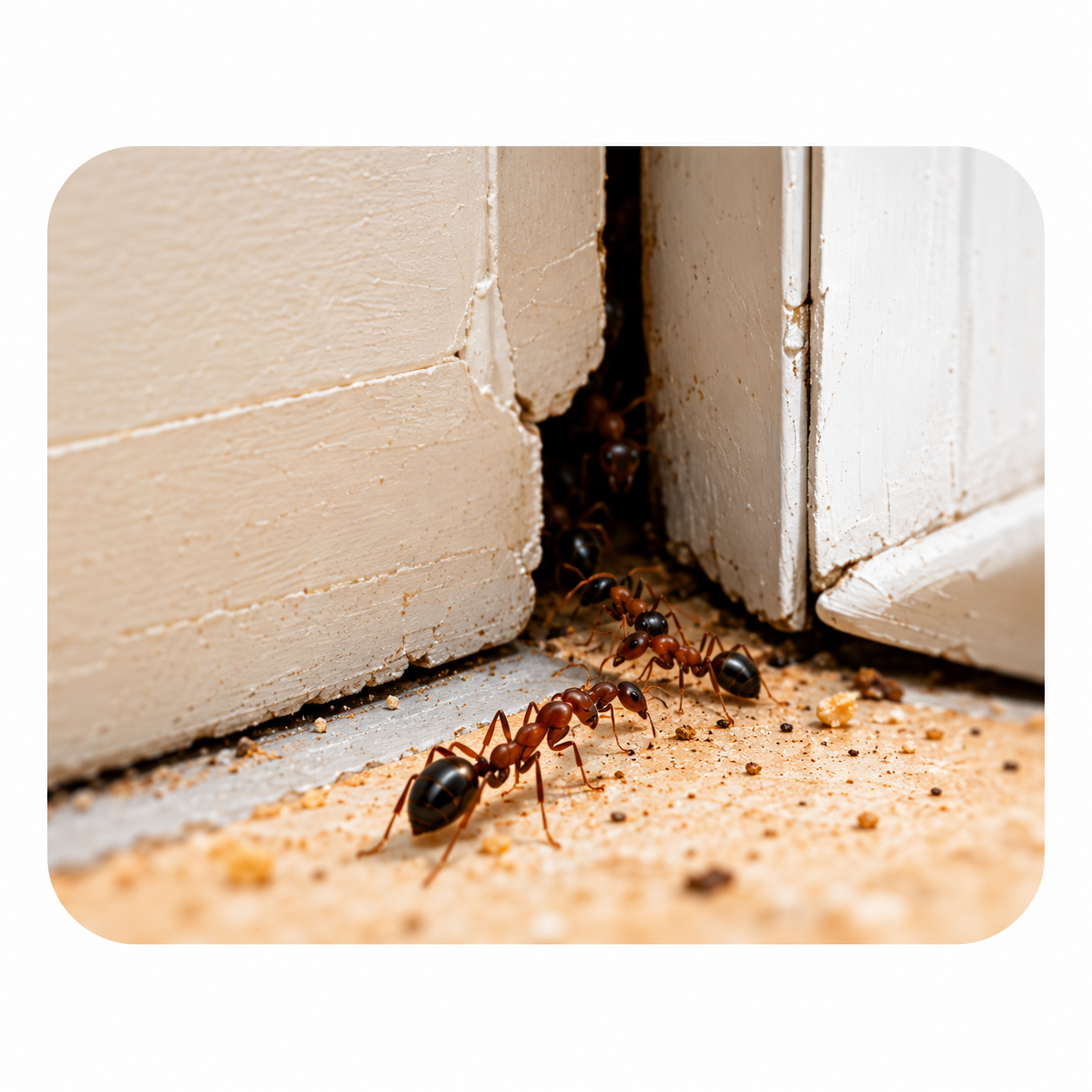
Simple Steps to Help
Keep Ants Away

A few simple habits can make your home less attractive to ants.
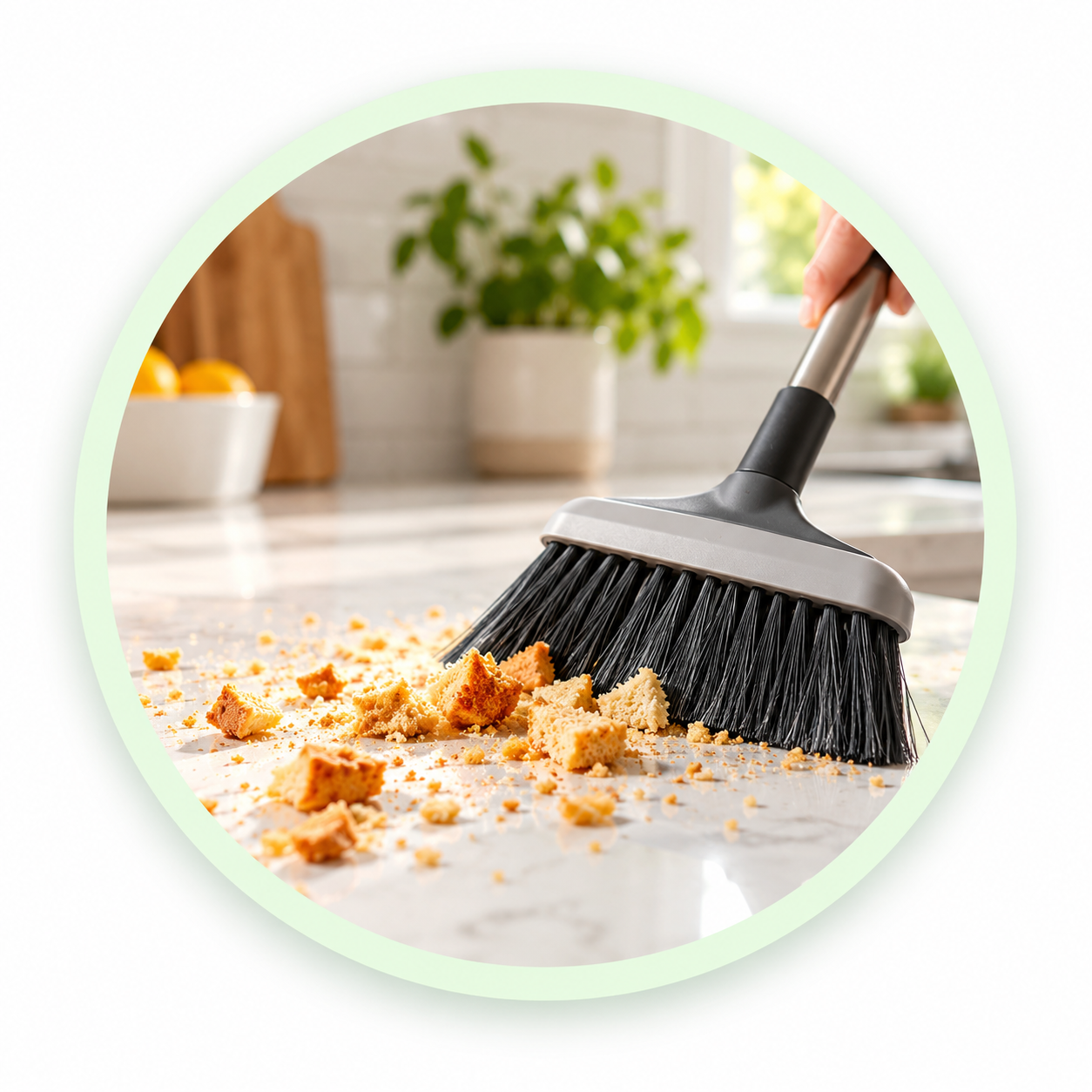
  • PHOTO 1

    Keep Areas Clean

    Wipe up crumbs and spills, especially in the kitchen and around pet food.
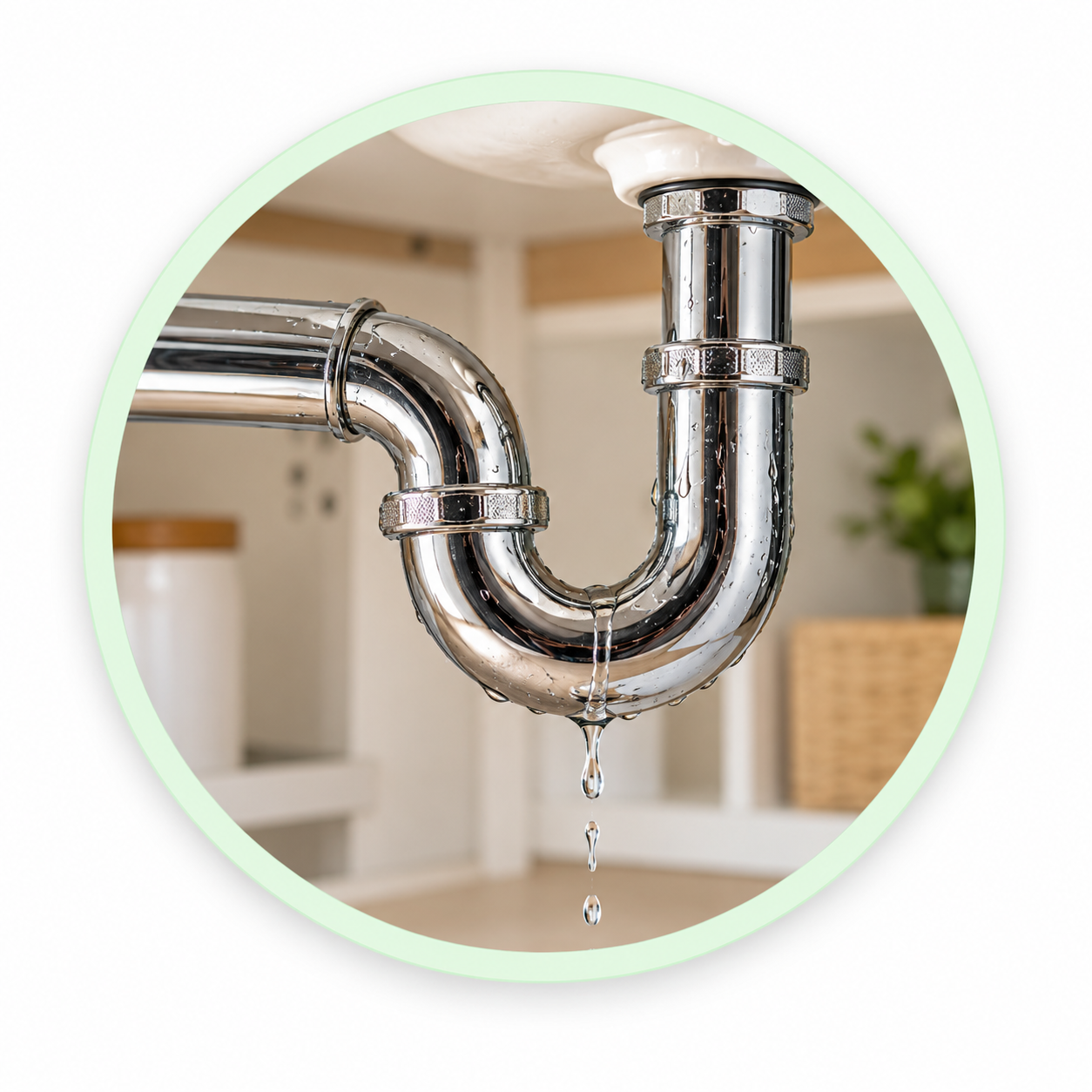
  • PHOTO 2

    Fix Moisture Issues

    Repair leaks and reduce excess moisture in sinks, bathrooms and around the home.
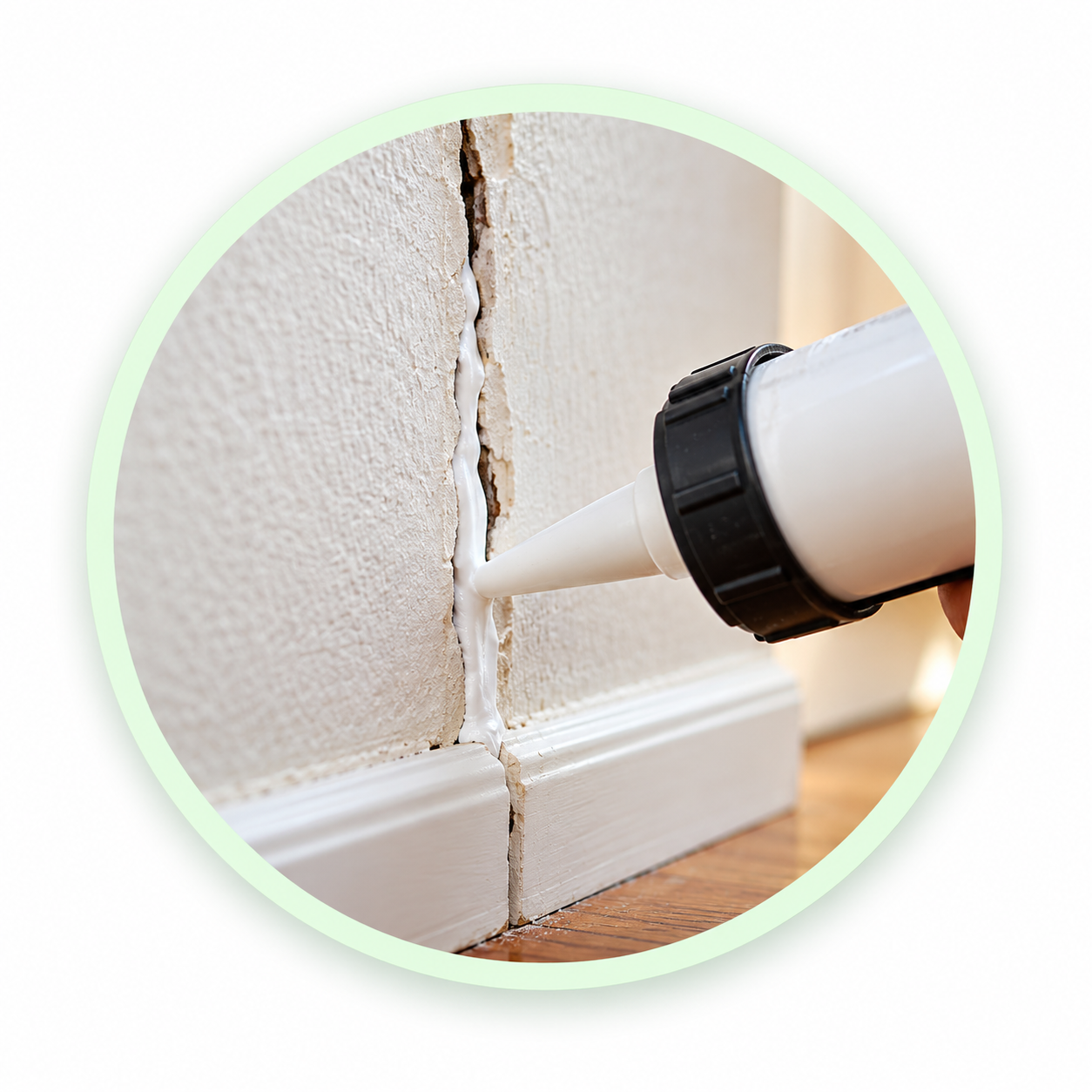
  • PHOTO 3

    Seal Entry Points

    Close cracks and gaps around windows, doors, pipes and the foundation.
  • PHOTO 4

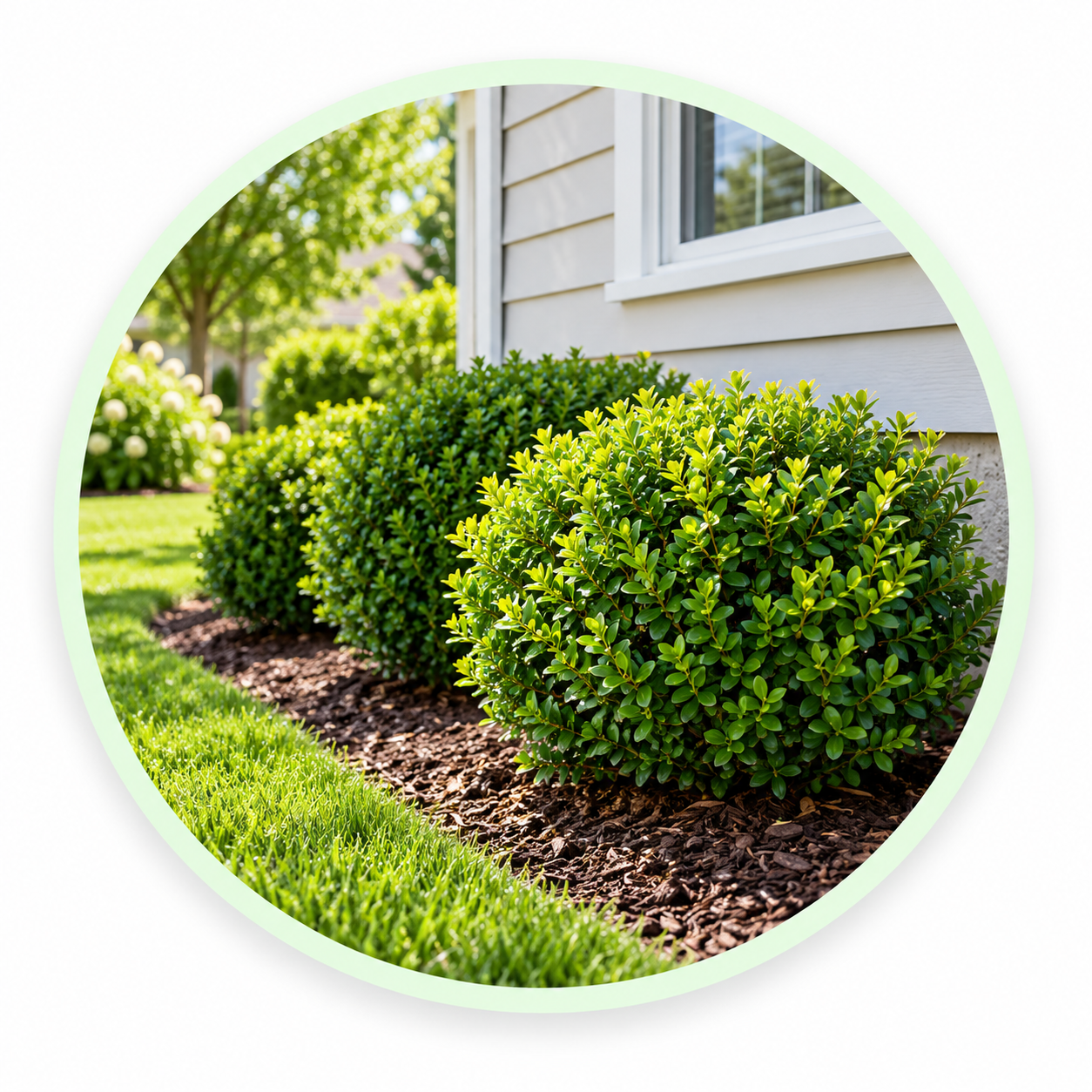
    Keep Vegetation Trimmed

    Trim trees and shrubs away from the house to reduce easy access for ants.

PHOTO

Ant Control

Let’s Get
the Ant Problem
Under Control.

We’ll identify what you’re dealing with, locate the source, and use the right treatment to help keep ants from coming back.

717-331-2338


Full Yard Service Spider Treatments Ant Problems Rodent Control Mosquito Treatments Roach Control Commercial Solutions Bed Bugs Gettysburg Pest Control York Pest Control Hanover Pest Control Carlisle Pest Control Littlestown Pest Control New Freedom Pest Control Coming soon to Maryland Residential Pest Control After Hour Services